

Can Civilization Function Without Alcohol?
Alcohol’s complicated legacy—and uncertain future

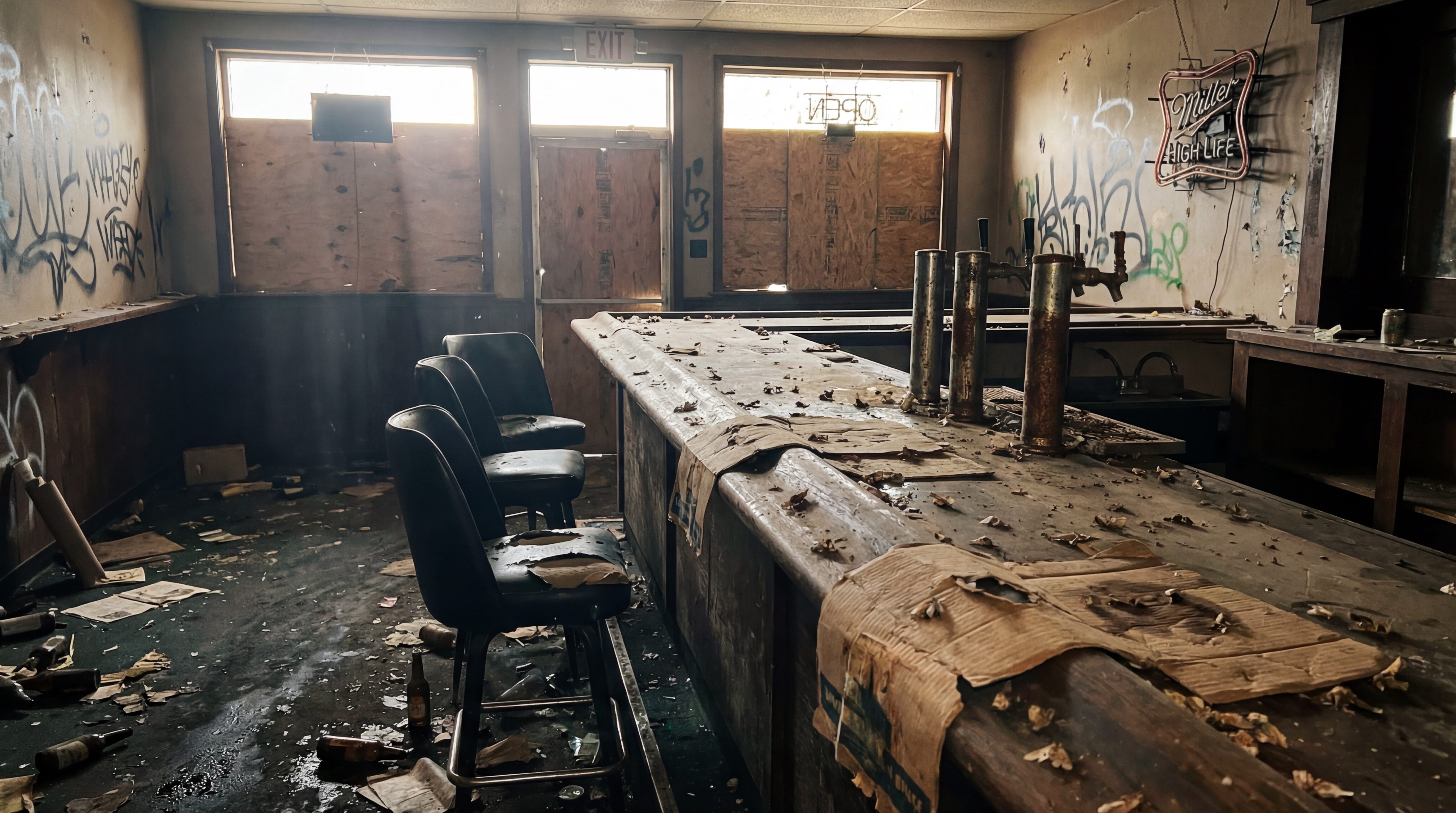
If you’re reading this in January, there’s a decent chance you’re nursing a Dry January resolution. Participation is surging: roughly 30% of Americans took part in 2025, up more than a third from the year before. And the data suggests it works—people who complete Dry January tend to drink less for the rest of the year.
The health case for drinking less is stronger than it’s ever been. But there’s a more complicated question underneath the personal one. Alcohol’s role in human history goes far beyond the obvious poles of good times and ruined livers. It has quietly shaped how societies form, how strangers learn to trust each other, how movements coalesce and sometimes explode. What has it built and broken since the dawn of civilization—and are we ready to live without it?
Alcohol has no moral compass of its own. It’s just a chemical, albeit with an infamous reputation. Societies have tried to restrict or eliminate it before—through religious prohibition, through constitutional amendments, through moral crusades—and mostly failed, or succeeded only where a substitute emerged.
What’s different now isn’t the questioning—it’s that the pressures are finally aligned. A hardening medical consensus, a generation choosing sobriety for secular reasons, pharmacological alternatives that didn’t exist before. The interesting question isn’t whether alcohol consumption will decline. It’s what else disappears when alcohol does.
Why We Drink Together
Alcohol shows up in nearly every human civilization on record. Scholars have a theory about why. Before agriculture, before cities, humans lived in tight-knit groups of a few dozen people. Everyone knew everyone. Trust came from years of watching how someone behaved. Then we started building cities. Suddenly we needed to live alongside thousands of people we’d never vet the old way.
We needed shortcuts—ways to deepen bonds faster than the slow accumulation of shared experience. Laughter helps. Singing together helps. Religion too. Storytelling, dancing, eating together. Evolutionary psychologist Robin Dunbar calls these “behavioral triggers” that release endorphins and create feelings of closeness.
Alcohol is the pharmacological version of a behavioral trigger. By depressing the prefrontal cortex—the part of the brain that keeps us vigilant and guarded—it temporarily lowers the walls we maintain with everyone. The endorphin system doesn’t just make us feel relaxed; it also appears to “tune” the immune system, which may help explain why strong social networks correlate with better health outcomes. In this framing, alcohol isn’t just a drug. It’s a mechanism that functions identically to singing, dancing, and laughter in its ability to service and reinforce social bonds.
We hold back more than we realize, even with people we like. Alcohol loosens that grip. It’s what gets the coworker you’ve nodded at for months to finally have a real conversation. It turns strangers into friends into lovers into spouses—and back to strangers if you’re not careful
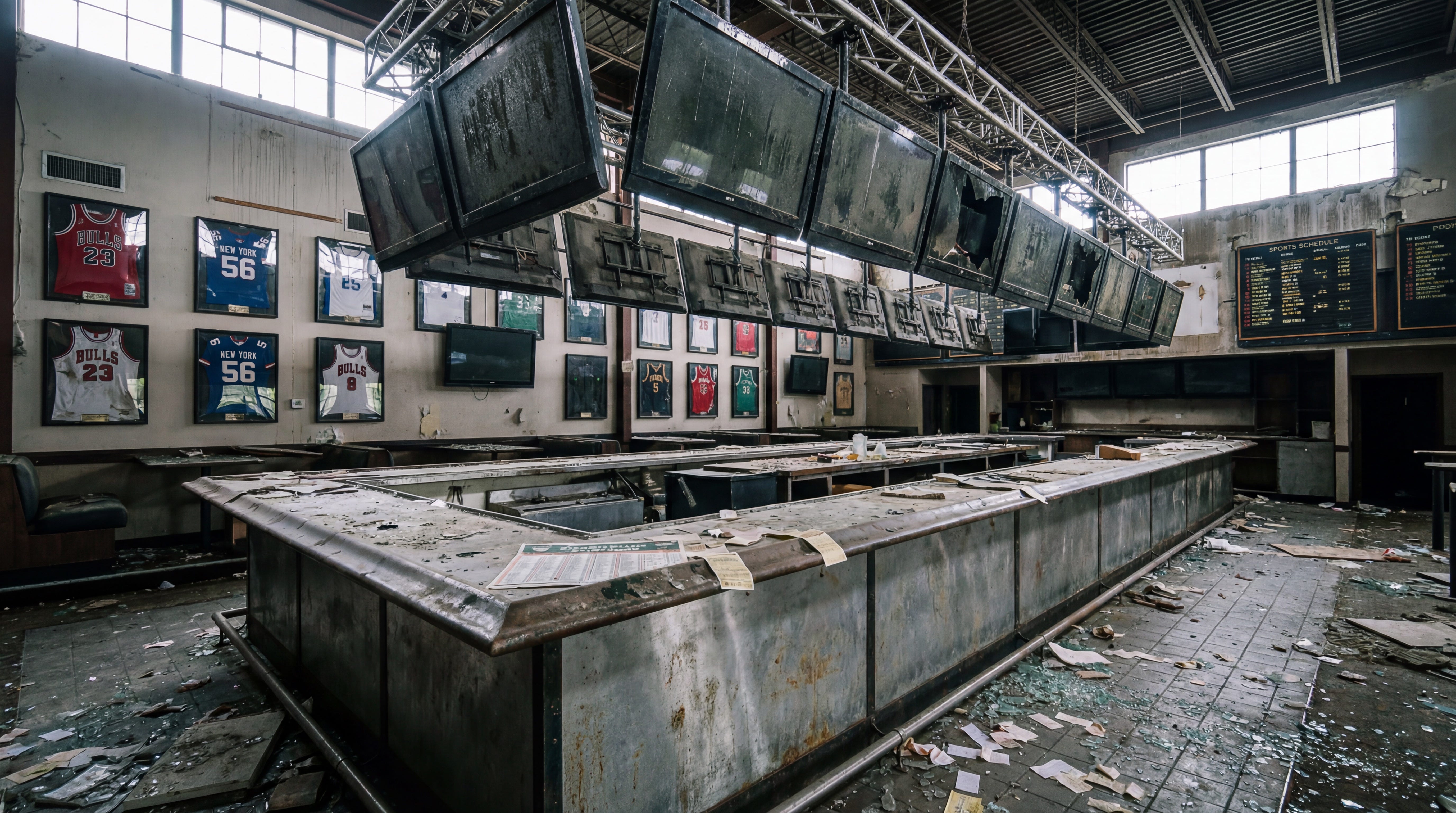
Everyday Bonding
You don’t need academia to see this. It plays out every day in ordinary life. A team of co-workers goes out for drinks after a tough project. By the third round, someone’s doing an impression of the CEO. Someone else admits they almost quit last month. By the fourth round, Trisha from Legal is just crushing Bon Jovi on the karaoke mic. The next morning, something has shifted. There are inside jokes now. Small talk comes easier. People cover for each other in ways they didn’t before.
College is where many people first experience this. Dorm pregames, fraternity basements, tailgates, late nights that turn into lifelong friendships. The Greek system pushes it to extremes—consumption levels that would alarm anyone, rituals that outsiders find bizarre—yet produces some of the most durable social networks in American life. The same logic drives the conference happy hour, the wedding open bar, the reunion weekend. These aren’t excuses to drink. They’re trust-building infrastructure disguised as parties.
The Surgeon General can tell you the cancer risk of one drink per day. What no study captures is the value of the friendship that formed because you both ended up in someone’s backyard one March in Austin, drinks in hand, talking till sunrise.
Of course, alcohol has destroyed plenty along the way. The happy hour that bonds a team can also produce the comment someone can’t take back, the flirtation that crosses a line. Alcohol doesn’t just accelerate connection—it accelerates everything, including mistakes.
Revolution in the Tavern
The theory sounds abstract until you look at what alcohol has actually catalyzed throughout history. The American Revolution was largely plotted in taverns. The Green Dragon in Boston is sometimes called the “Headquarters of the Revolution.” The Sons of Liberty, fueled by punch and ale, planned the Boston Tea Party there—the liquid bonding necessary to commit treason against the Crown.
The same mechanism has served monstrous ends. The rise of Nazism in 1920s Germany was inextricably linked to the beer hall culture of Munich. The failed 1923 coup is literally known as the Beer Hall Putsch. Hitler used alcohol-fueled gatherings to spread hate and consolidate a movement that would murder millions.
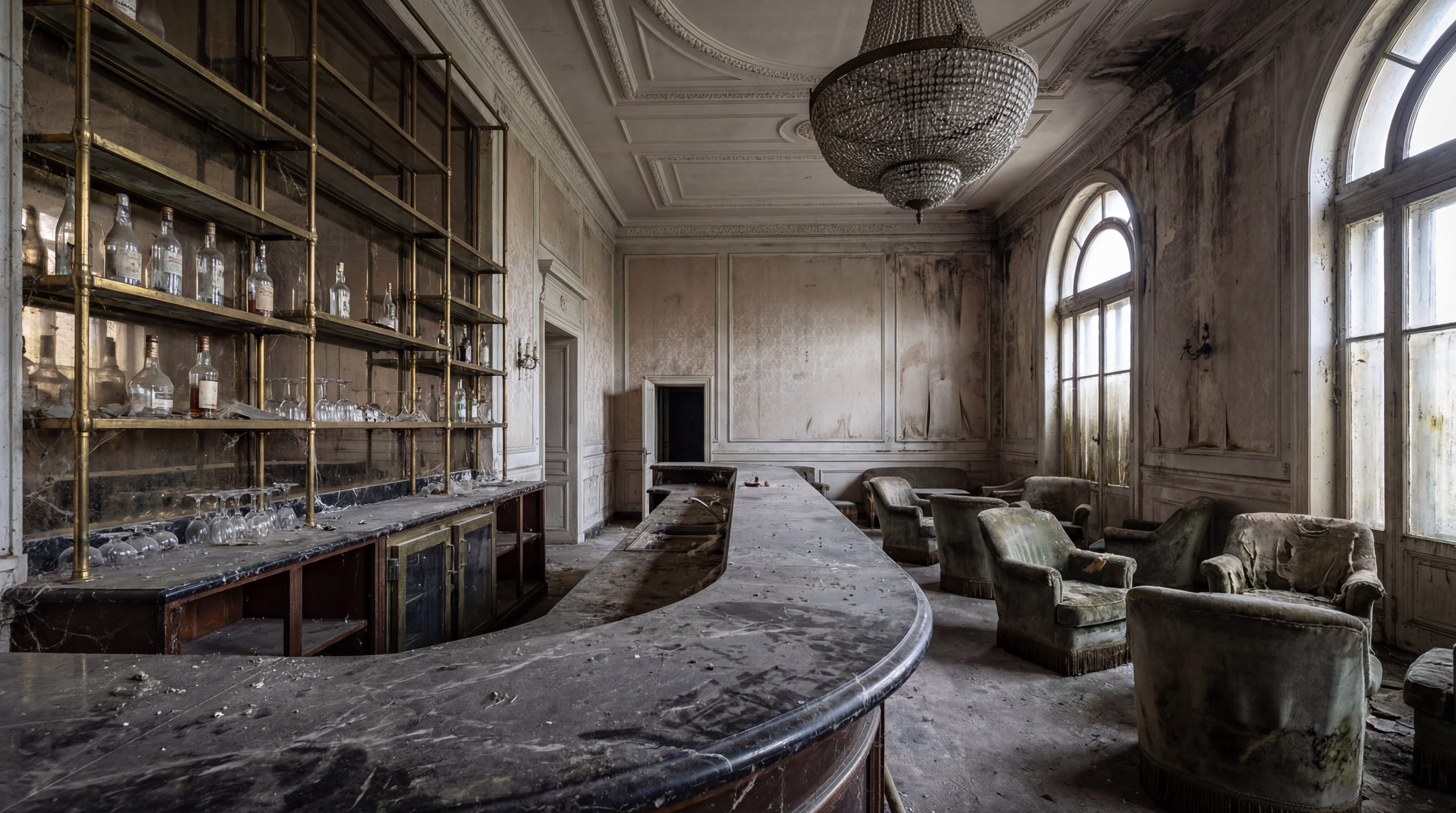
And the same mechanism has fueled righteous resistance. In 1969, the Stonewall Inn—a gay bar in New York—became the flashpoint for the modern LGBTQ+ rights movement. When police raided the venue, the patrons fought back. The riots that followed galvanized a fight for basic human dignity.
Alcohol fuels whatever’s in the room. The founding fathers, fascists, and freedom fighters have nothing in common except that it helped transform their individual convictions into collective action. What people do with that activation depends entirely on them.
Forces of Erosion
Several forces are now working against this system. The health consensus has hardened. The WHO declared in 2023 that “no level of alcohol consumption is safe.” The 2025 U.S. Surgeon General’s Advisory highlighted stark statistics: among women consuming just one drink daily, roughly nineteen in a hundred will develop alcohol-related cancer over their lifespan, compared to sixteen or seventeen for non-drinkers. Yet in a puzzling countermove, the 2025 Dietary Guidelines—shaped by Robert F. Kennedy Jr.’s HHS—dropped the long-standing recommendation to limit alcohol consumption. The science hasn’t changed; the politics have. Still, the “moderate drinking is healthy” narrative that sustained wine marketing for decades is collapsing.
Then there’s surveillance. Unlike previous generations who could experiment with intoxication in relative privacy, young people today live under the omnipresent eye of smartphone cameras. A single viral video of drunken behavior can follow someone for years. When maintaining composure has professional consequences, the appeal of “letting go” diminishes.
The headline numbers can seem contradictory. A 2025 Gallup study found that drinking among young adults dropped from around seventy percent two decades ago to roughly fifty percent today. But other data shows roughly 70% of legal-drinking-age Gen Z reported drinking in the past six months. The reconciliation: Gen Z hasn’t stopped drinking. They’ve stopped drinking by default. The habitual glass of wine with dinner, the automatic beer at the barbecue—these are declining. But participation in drinking occasions remains high. Alcohol now has to earn its place in the evening rather than assume it.
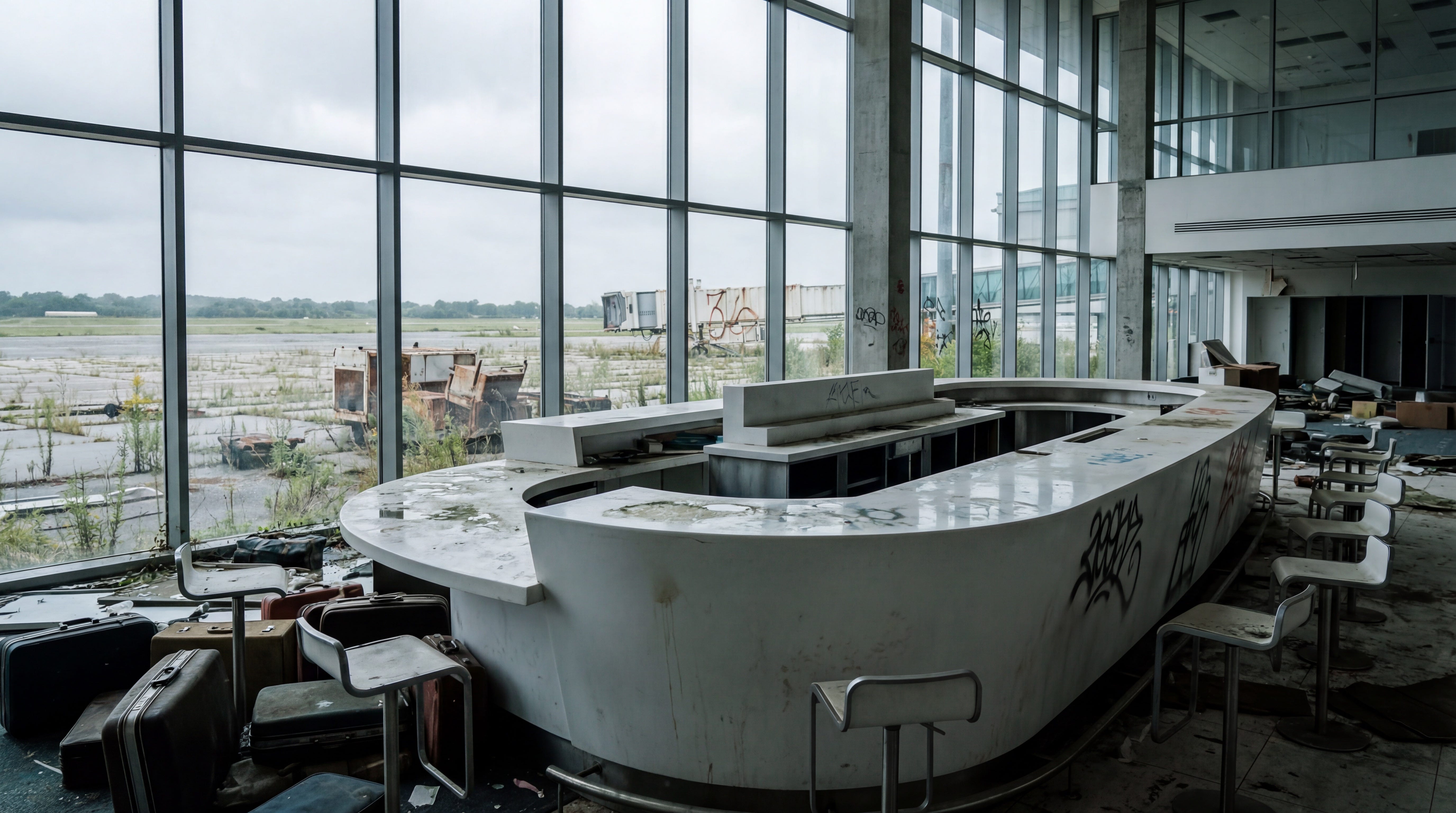
Substitution
The historical record suggests societies can function without alcohol—but only if they have something else to fill its social function. When Islam spread across the Middle East in the seventh century, it carried a prohibition on alcohol. But the prohibition succeeded partly because an alternative emerged: the coffeehouse. These establishments became centers of intellectual and social life across the Islamic world. The Islamic Golden Age flourished with clear heads.
Europe underwent a similar transition during the Enlightenment. Prior to the seventeenth century, Europeans drank weak beer and wine throughout the day to avoid contaminated water. The introduction of coffee changed the chemistry of European thought. And the coffeehouse replaced the tavern as the center of political and economic discourse.
The Royal Society’s members frequented coffeehouses to discuss physics and biology. The London Stock Exchange originated in Jonathan’s Coffee House. Lloyd’s of London began as a coffeehouse where ship captains gathered to share news and place bets on whether their vessels would make it home. That’s how maritime insurance was born.
American Prohibition, by contrast, tried to eliminate the saloon without offering any replacement. The result was predictable: speakeasies, organized crime, and eventual repeal. The pattern suggests a rule: you can transition away from alcohol, but only if you give people somewhere else to build trust and something else to lower their social defenses.
Contenders
So what’s in the toolkit to replace alcohol? Cannabis, under the “California Sober” banner, is the most visible option. There’s a real substitution effect happening. But cannabis produces a different experience. While alcohol consistently enhances the desire to engage with others, cannabis is more unpredictable—it can induce shared laughter, but it can also trigger introspection or social withdrawal. It’s good for bonding with people you already know well. Harder to imagine it fueling a revolution with strangers.
Kava—a sedative drink made from Pacific Island root—presents an interesting contrast. It produces relaxation without significant cognitive impairment, but the social profile differs notably from alcohol. Anthropologists describe alcohol as releasing “spark”—loud, boisterous behavior, the energy of the rowdy pub. Kava induces something closer to the opposite: quiet sociability that Pacific Island cultures have used for centuries as a conflict-resolution tool. It fosters peace rather than the occasional chaos of the tavern.
Psilocybin may be the most intriguing wildcard. Microdosing has become more common, and full-dose experiences can feel life-changing. With the right dosing and setting, it could theoretically play the casual social role alcohol does now. But we’re a long way from that—America is still fighting state by state over cannabis legalization. Psilocybin happy hour isn’t on the near horizon.
GLP-1 drugs like Ozempic and Wegovy may reshape drinking culture by accident. Designed for diabetes and weight loss, they dampen the dopamine reward pathways that make alcohol feel good. Anecdotal reports describe users simply forgetting to drink—no willpower required, just altered brain chemistry. As these medications spread, millions may find themselves functionally sober as a side effect, without ever deciding to quit.
Meanwhile, some researchers are trying to engineer the replacement intentionally. David Nutt, a British neuropharmacologist, is developing synthetic compounds designed to create relaxation and sociability that plateau before anyone gets sloppy—alcohol’s benefits without the blackout or the liver damage. But that’s still in the lab. GLP-1s are already in the bloodstream.
What Gets Lost
None of these options are a pitch-perfect replication of what alcohol does for group bonding—and more importantly, none have produced anything like the collective action that alcohol has historically enabled. Cannabis pulls you inward. Kava is too mellow for energetic social mixing. Psilocybin can be profound, but you can’t be tripping balls at a work conference. Synthetic spirits might nail the pharmacology, but will people trust them the way they trust a beer? GLP-1s remove the desire to drink without providing any alternative social technology.
The coffeehouse produced Lloyd’s of London and the Royal Society—institutions born from discourse and information exchange. The tavern produced the Sons of Liberty and the Marine Corps—institutions born from emotional bonding and shared risk. You don’t start revolutions with sober discourse. You don’t build insurance markets on rum.
Or maybe what made alcohol so effective wasn’t the alcohol at all—it was the ritual. The clinking of glasses. The round-buying that signals generosity. The shared understanding that this is where guards come down. The ritual did the work; the booze just gave us license to show up.
Alcohol has earned its bad reputation. But the rituals around it served a purpose we haven’t fully replaced, or even understood. We know what we’re giving up. We’re less sure what we’re losing.
—
My Consultancy - Mise Futures
My Book - Mise: On the Future of Food
My Podcast - The Tomorrow Today Show
My Instagram - The Book of Mise
Fascinating stuff! In addition to the generational and lifestyle driven decline in alcohol consumption, the shift away from social gatherings of strangers due to restrictions and lifestyle changes imposed by COVID mitigation; the effects of which, according to businesses dependent on foot traffic and social gathering, are still being felt, clearly impacted both the Tavern and Coffeehouse; with the "Starbucks sanitization" of the latter changing the dynamic of a local, independent gathering place to a generic, sterile, and ubiquitous brand that offer discouraged gathering by the "wrong" people. If alcohol consumption in bars is receding and coffee culture has shifted to a fast-food adjacent model, whatever comes next - whether that's Dutch-style Kofffeshops for cannabis, or something completely different - will need to serve the purpose of encouraging us to gather, linger and focus on the connections we make.
That seems like a very balanced in historical report. Two things that are hard to find in today's media. Thank you